


Background
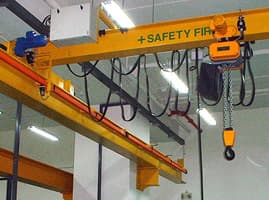
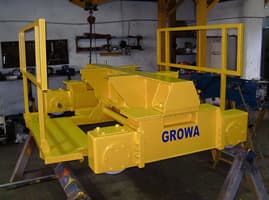
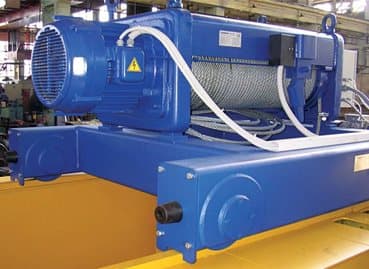
Growa (F.E.) Pte. Ltd. has been a Singapore industrial lifting specialist since 1993. It installs, modifies and services overhead, gantry, underslung, monorail and jib crane systems from 100 kg to 50 tonnes for factories, workshops, cleanrooms and warehouses, and is an authorized regional partner for premium European lifting brands.
Its credentials are concrete and verifiable:
- BCA registered — Workhead CR01 (Minor Construction Works), Single Grade, valid to 01/11/2027
- ISO 9001:2015 (Quality Management) and ISO 45001:2018 (Occupational Health & Safety) — scoped to the trading, assembly, installation and maintenance of cranes, hoists and manual handling equipment
- Authorized distributor for REID Lifting (Porta Gantry), NIKO light crane systems, and RWM, Podem and Black Bear hoists
Crucially, Growa is a focused specialist, not a generalist — it explicitly does not handle mobile cranes or high-rise construction tower cranes — competing in a market crowded with large civil-engineering and heavy-lifting conglomerates it is easily mistaken for.
The Challenge
AI search doesn't return ten blue links. It returns a short list of entities the engine can describe with confidence. For a focused specialist up against bigger generalists, that creates two risks:
- Omission — being left out of AI answers in favour of large, well-known firms.
- Miscategorization — being bundled into generic “top crane companies” lists led by heavy-lifting giants, for queries Growa doesn't actually serve.
The objective was a GEO one: make Growa the clearest, most verifiable entity for its real capabilities, so AI engines cite it precisely — and don't misfile it against the work it doesn't do.
The Approach
A GEO program built on entity signals, not keyword volume. The guiding principle: in AI search, the brand that wins a query is the one the engine can describe most confidently.
- 1
Establish the entity with verifiable attributes
Surfaced Growa's hard trust signals — BCA CR01, ISO 9001 and ISO 45001, and a trading history back to 1993 — as explicit, machine-readable facts on the page. These are the markers generative systems lean on to separate real, compliant contractors from noise.
- 2
State the ISO scope as an extractable fact
Rather than a vague “quality assured” claim, the crane-installation page states the certifications and their scope in plain, declarative language. That single, checkable sentence is exactly what AI answers lift verbatim — and it is the sentence that made Growa the only verifiable entity in the Claude test below.
- 3
Define capability with hard numbers
Capacity bounds (100 kg – 50 tonnes) and named system types (overhead, gantry, underslung, monorail, jib) give AI extractors precise, reusable data to drop into comparisons and summaries.
- 4
Use the scope guardrail
Stating plainly what Growa does not do — no tower cranes, no mobile cranes — is a deliberate GEO move. The exclusion sharpens categorization: it keeps Growa out of construction-tower answers and concentrates its authority on workshop and industrial-overhead intent, where it genuinely wins.
- 5
Confirm and map the footprint
Direct prompt testing across engines — Gemini, Claude and Bing — to verify exactly which queries cite Growa, how it is categorized, and where the gaps sit.
Attributes- BCA CR01
- ISO 9001 / 45001
- 100 kg – 50 t
- Since 1993
GrowaDistributor for- REID Lifting
- NIKO
- Podem
The Results
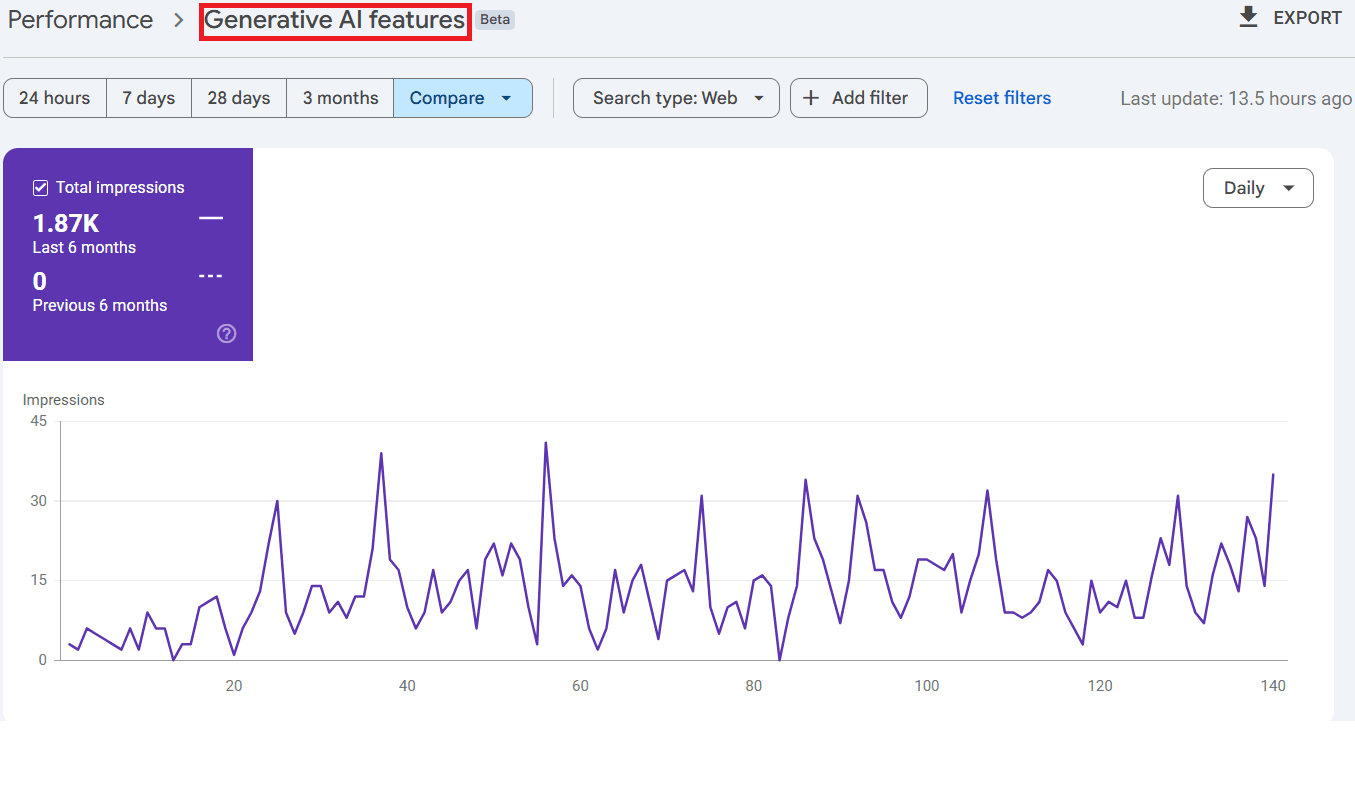
Google: 0 → 1.87K generative AI impressions
The headline metric comes straight from Google. Search Console's “Generative AI features” report records 1.87K impressions in the last six months against 0 in the prior six months — measured proof that growa.net is now being served inside Google's AI-generated answers.
Gemini: cited with source attribution for specialized intent
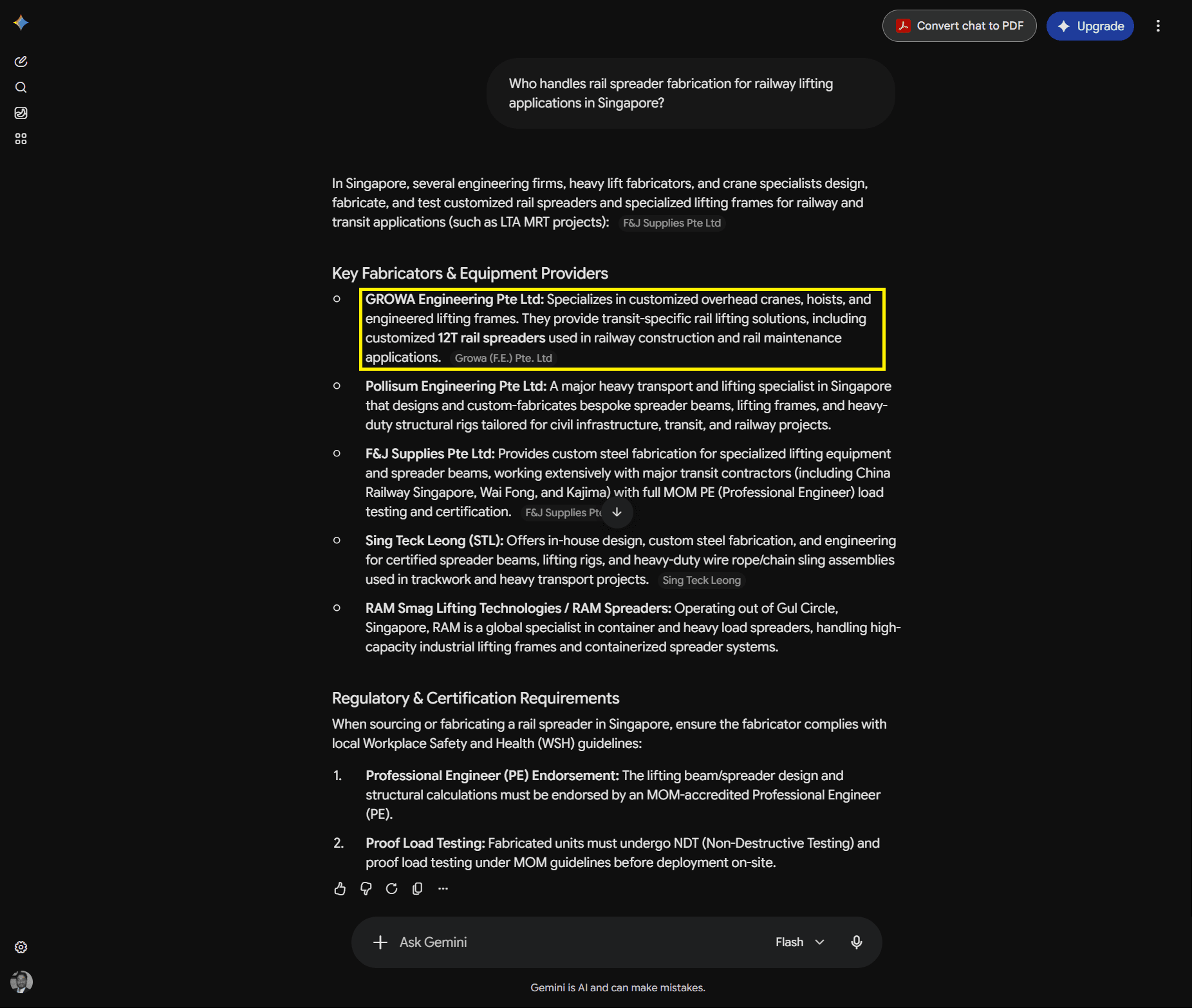
For the niche prompt “Who handles rail spreader fabrication for railway lifting applications in Singapore?”, Gemini names Growa among its key fabricators — “customized overhead cranes, hoists, and engineered lifting frames… 12T rail spreaders used in railway construction” — with the answer attributed to Growa's own site. It appears alongside much larger heavy-lifting names, pulled in on the precision of its documented capability rather than its size.
Claude: the only entity it could verify
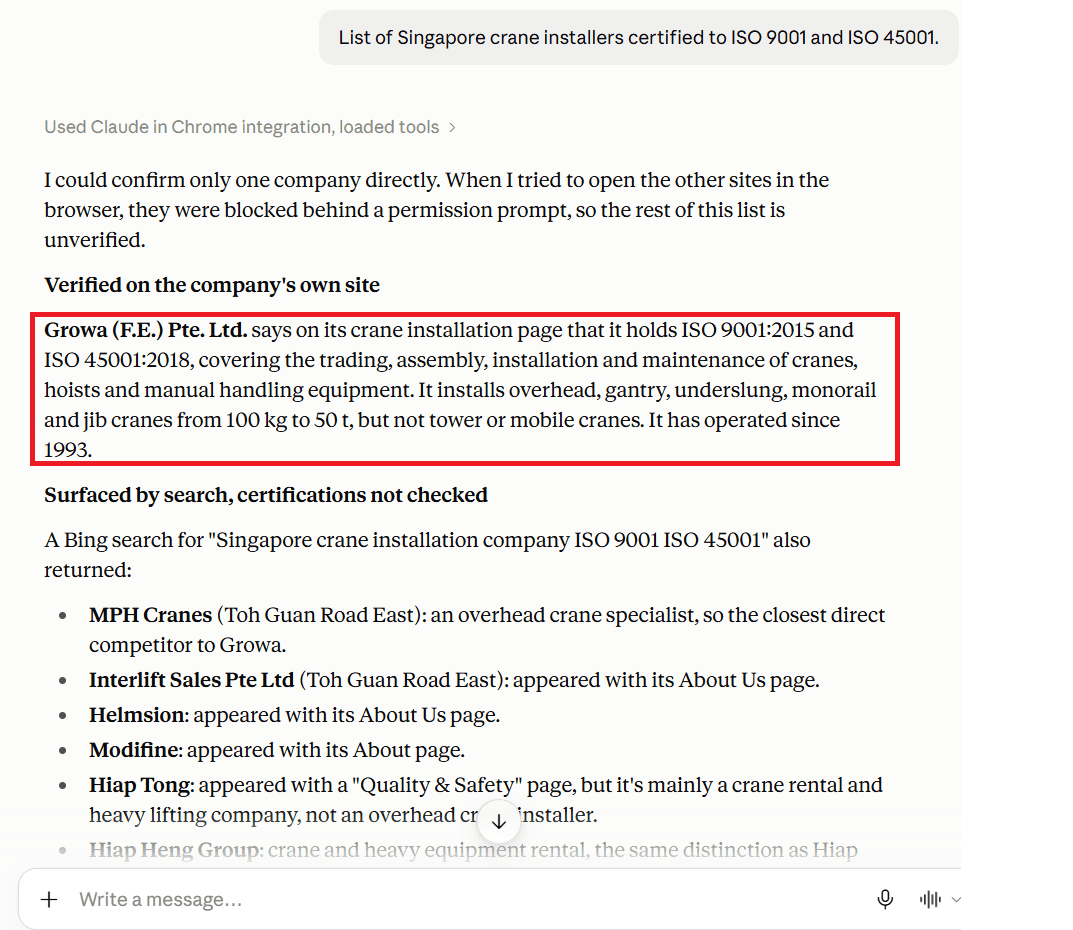
Asked for a “list of Singapore crane installers certified to ISO 9001 and ISO 45001,” Claude returned a telling result: it could confirm only one company directly — Growa — from the company's own crane-installation page, quoting the exact ISO scope, the 100 kg–50 t range, the tower/mobile exclusion, and the 1993 start date. Every other name was flagged as “surfaced by search, certifications not checked,” and Claude actively distinguished Growa from rental and heavy-lifting firms (Hiap Tong, Hiap Heng) that are not overhead-crane installers. When an AI engine can verify your entity and no one else's, that is the GEO moat.
Bing: #1 and #2 organic for the certification query
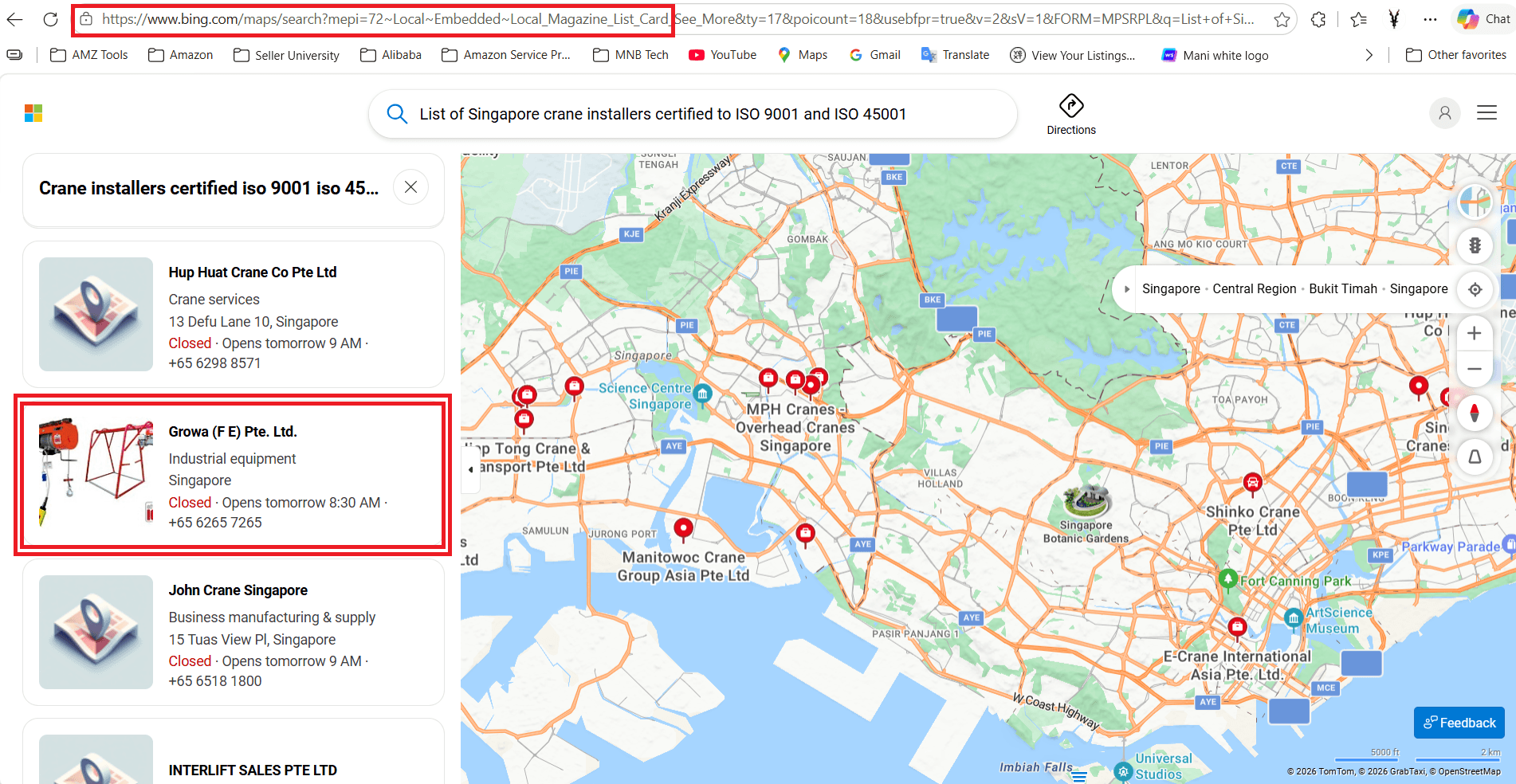
For “Singapore crane installation company ISO 9001 ISO 45001,” Growa ranks first and second organically on Bing, ahead of every competitor. Because Bing feeds Copilot-class answers, those top positions — anchored by the same extractable ISO statement — reinforce the same entity signal across another engine's generative layer.
Why It Matters
In classic search, being a focused specialist against bigger generalists was a disadvantage — the “biggest wins” bias of a ten-link SERP. In AI search, precise entity definition flips that into an advantage.
Growa (F.E.) Pte. Ltd., a Singapore crane and hoist supplier founded in 1993, is cited as a source by four search and AI engines, ahead of larger lifting-equipment companies. Not through volume, but by being the entity each engine can describe, verify and trust. And the result isn't tied to one platform: Google, Gemini, Claude and Bing all resolve to the same source, because the win was engineered at the entity level, not tuned to a single algorithm. When Claude says it could verify only Growa, that is the clearest possible signal that the source context is doing its job.
For the Singapore market, this confirms that PGrowth by Pixart can diagnose, build and measure a brand's presence inside AI search — the GEO discipline — with entity signals that are true, defensible, and durable across engines.
The takeaway for specialist B2B brands
If your buyers increasingly ask AI assistants before they ask Google, your visibility now depends on one thing: can the engine describe your business accurately and confidently?
Make your entity true, bounded and verifiable — real credentials, hard capability numbers, explicit scope, and a plainly stated certification sentence an AI can lift — and the citations follow, across every engine at once.
That's GEO. That's the work.
